The radiator started up with its usual metallic ticking sound that normally meant warmth was coming. Outside the wind moved through empty branches and shook the window frames like a quiet signal that colder weather was ahead. Inside the air was warm enough but it felt thin & dry. Your throat felt scratchy & your skin felt tight on your hands while your nose seemed ready to sneeze at any moment. Then you remembered something you heard before from maybe an older family member or somewhere online about putting a glass of water near the radiator to make the room feel better. You look toward the kitchen and think about how strange it seems that an ordinary glass of water could actually help with the dryness. It sounds like some kind of old myth or superstition. But as the evening goes on and the air gets even drier you fill a glass completely and carry it back to set it down next to the radiator. As the water slowly heats up something small begins to change. It happens in a quiet way that you can barely notice at first but winter always reveals its secrets like this.
The Surprising Science Behind an Everyday Glass of Water
At first glance the idea that a simple glass of water can help a room feel warmer without increasing your energy bill sounds almost too comforting to be real. Water does not generate heat. It is not a miniature heater quietly working on your windowsill. The real explanation is far more subtle. It is not about producing extra warmth but about helping your body experience the warmth that is already there more effectively. When a radiator runs it does two things at once. It heats the air & dries it out. That dryness often goes unnoticed at first. You might feel it as a slightly scratchy throat or tight skin. You might notice static in your clothes or those tiny shocks when you touch metal. What is less obvious is how dry air quietly changes the way your body perceives temperature.
How Low Humidity Changes the Way Warm Air Feels
Your body exchanges heat with the surrounding air all the time. When the air is very dry, moisture leaves your skin and breath much faster. This process removes heat from your body and creates a cooling sensation even when the room temperature reads warm. The radiator works fine but your body feels differently than what the thermometer shows. This explains why the glass of water helps. When you place it near a heat source it slowly warms up & releases moisture into the air through evaporation. The humidity increase might be slight but it can reduce how much moisture your skin and lungs lose. The actual temperature stays the same but the room feels softer and more comfortable to your body.

Aloe Vera: A Natural Soother for Skin and Hair
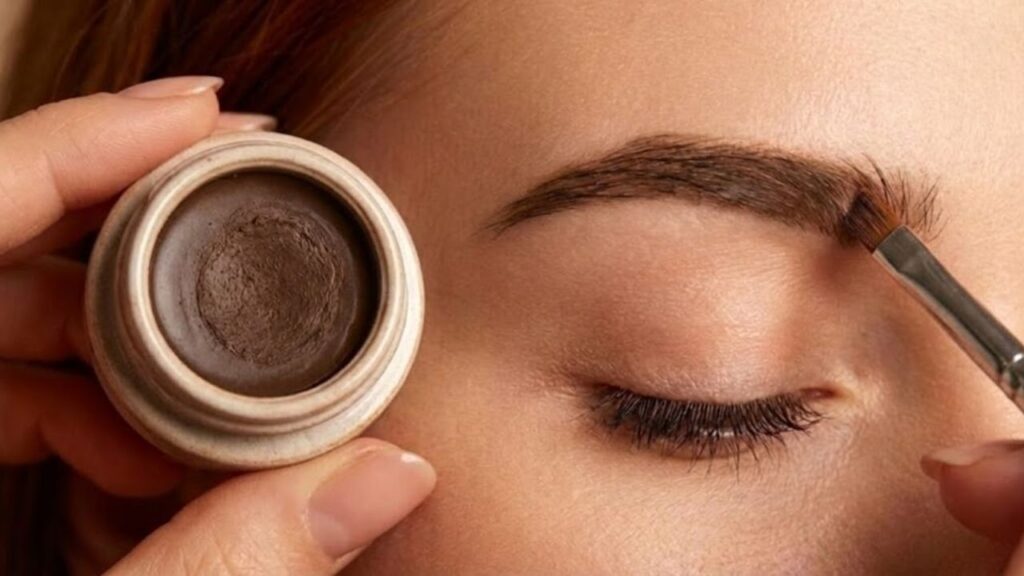
Aloe vera has been used to calm skin for hundreds of years well before anyone started selling it in stores. When you touch pure aloe gel it feels cool and light with a slight slip to it. It never gets stiff or leaves a sticky feeling behind. When you use it on eyebrows it works like a gentle styling product that holds hair in place without being harsh. When you make your own brow gel aloe serves as the main ingredient. The natural thickness of aloe provides light to medium hold that keeps brow hairs where you want them while letting them move naturally. If you pick a quality gel without many extra ingredients added you also get gentle moisture every time you use it. This makes taking care of your brows feel more like self-care than just fixing them.

Cocoa Powder: Creating Rich, Earthy Tones from the Pantry
Cocoa powder adds warmth and a natural brown color that works well for eyebrows. When you mix it with aloe it creates a subtle tint instead of a heavy makeup look. You can adjust how dark you want it by using more or less powder. A tiny amount gives light definition while adding more creates a deeper shade. The color blends naturally with your eyebrows without creating harsh edges. It feels good to use the same ingredient from hot chocolate to shape your brows. You get a beauty product that also nourishes your skin at the same time.
Putting Together Your Simple At-Home Mixing Kit
Making your own brow gel is a straightforward process that requires just a few basic items. You need clean jars & a simple spoon along with a spoolie brush to apply the finished product. The basic recipe uses only aloe vera gel mixed with cocoa powder. These two ingredients form the foundation of an effective brow gel that works surprisingly well. If you want to customize it you can add a drop of jojoba oil to make the texture smoother. For darker brows you might include a small amount of coffee powder or activated charcoal to deepen the color. The appeal of this homemade formula lies in how uncomplicated it is. You take two basic ingredients and combine them in the right proportions. There is no need for complicated techniques or expensive materials. The whole process takes just a few minutes from start to finish.
| Item | Role & Use |
|---|---|
| 2 teaspoons pure aloe vera gel (clear, unscented) | Acts as the main base, providing natural hold, smooth application, and moisture |
| ¼–½ teaspoon unsweetened cocoa powder | Adds a soft, natural tint to enhance brow color |
| Small clean glass jar or lidded container | Used to safely store the prepared mixture |
| Clean spoolie or angled eyebrow brush | Helps apply and shape the product evenly on brows |
| Mini spoon or mixing stick | Used to combine and blend all ingredients smoothly |