Balance Exercises for Older Adults Falls represent a leading cause of injury among people over 65 years old. The good news is that you can reduce your fall risk through targeted balance exercises. These 11 movements are designed specifically for older adults to improve stability and build the muscle strength needed to maintain independence and safety.
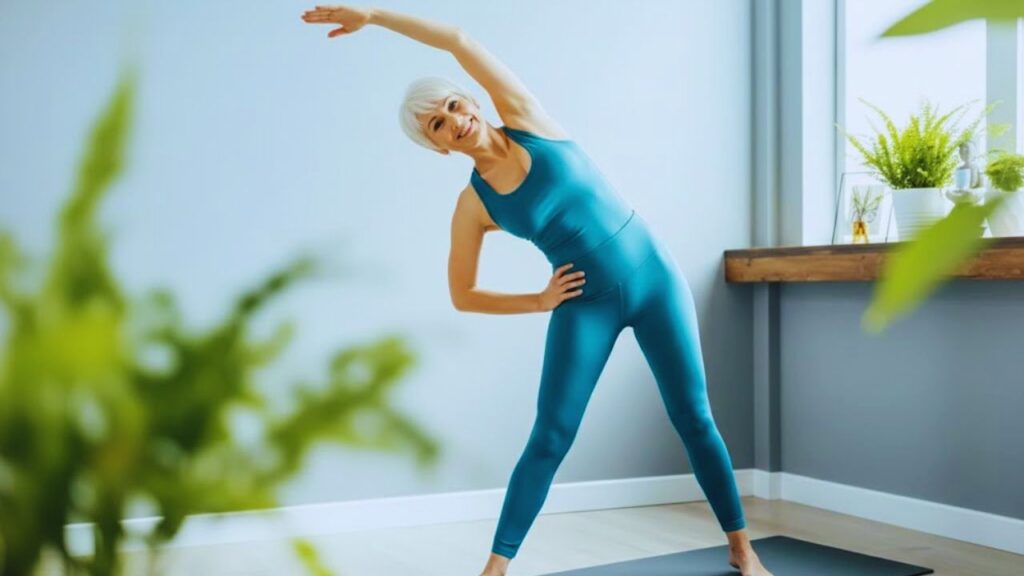
Mindful Weight Shifts for Body Awareness
Balance Exercises for Older Adults Try these 11 balance exercises designed for older adults to help prevent falls. Falls are one of the main causes of injuries in people over 65 years old. These movements improve your balance and build muscle strength. Both are essential for staying independent and safe as you age. Why Balance Matters Good balance helps you move confidently through daily activities. It reduces your risk of falling and lets you maintain your active lifestyle. Strong muscles support your joints and make it easier to recover if you start to lose your balance.
Heel Raises to Strengthen Ankles and Balance
Heel Raises Heel raises strengthen your calf muscles and improve balance. Strong calves help you walk better and climb stairs more easily. How to Perform Heel Raises Stand with your feet positioned hip-width apart. Hold onto a chair or counter if you need support. If you feel steady you can place your hands on your hips instead. Rise up onto the balls of your feet by lifting your heels off the ground. Hold this raised position for one to two seconds. Lower your heels back to the floor slowly and with control. Increasing the Difficulty You can make this exercise harder by performing it on one foot. This variation challenges each leg separately and requires better balance and more strength.

Gentle Forward-Backward Steps for Steady Movement
Forward and Backward Stepping Exercise Once you feel comfortable with weight-shifting exercises you can progress to forward and backward stepping. There are two ways to do this exercise. You can complete all repetitions using one leg before switching to the other leg or you can alternate between legs after each repetition to make it more challenging. Follow these steps to perform the exercise: Stand with your feet hip-width apart. Keep your arms relaxed by your sides. Step your right foot forward and bring it back to where you started. Step your right foot backward and return it to the starting position. Repeat these same movements with your left foot.
Feet-Together Stance to Boost Core Stability
Standing Balance Exercise When you stand with your feet together you create a smaller base that makes balancing harder. This exercise becomes more challenging as you get better at it. Start by standing with your arms stretched out to both sides. Move your feet together until they touch. Hold this position as long as you can without moving your feet. Once you can hold this stance for one minute try it again with your arms hanging at your sides. You can make it harder by crossing your arms over your chest. When that feels easy return to holding your arms out to the sides but close your eyes this time.
Walking with Head Turns for Better Coordination
Your balance relies on several body parts working in harmony and your vision is a key component. You can enhance your balance by adjusting where you focus your gaze as you move. This exercise trains your body to maintain stability when your head rotates in various directions. Begin by walking forward at a slow & steady pace. As you continue moving turn your head to the right and glance back over your right shoulder. Return your head to the forward position. Then turn your head to the left & look over your left shoulder. Continue alternating between right & left as you walk. Repeat this sequence for your desired practice duration. This straightforward activity builds the link between your visual system & your balance mechanisms. Consistent practice helps you feel more stable during daily tasks.
Lateral Side-Steps to Support Side Balance
Side-stepping can be done by sliding your hands along a counter for extra support until you feel comfortable doing it without holding on. Here is how to do it. Stand with your feet positioned at hip width. Keep your toes pointing forward and take a small step to the right using your right foot. Move your left foot next to your right foot. Continue this pattern for the distance you want to cover and then side-step in the other direction to return to where you started.
Forward Step-Ups to Build Leg Strength and Confidence
Forward Step-Ups for Better Balance Forward step-ups help you keep your balance during everyday tasks like climbing stairs. This exercise works well because it copies movements you naturally make during your day. You can practice this exercise at any staircase in your house. Use the handrail when you need extra stability. If normal stairs seem too high (they are usually around 7 inches) you can choose a shorter platform or solid box instead. How to Do Step-Ups Begin by standing before the step. Place your right foot on the step first. Move your left foot up to join it on the step. Step back down with your left foot to the ground. Then lower your right foot to the ground. Change which foot goes first each time you do the exercise again. This basic movement makes your legs stronger and helps your body manage stairs with more confidence. Do this exercise often to notice better results in your everyday movements.

Side Step-Ups for Hip Stability and Fall Protection
You should attempt side step-ups only after you have mastered the forward-moving version. Look for a step or sturdy elevated platform that can accommodate both of your feet.
Here is how to perform side step-ups correctly: Stand with your right side toward the step. Put your right foot onto the step. Raise your left foot and place it beside your right foot on the step. Return your left foot to the floor. Bring your right foot back down to the floor. Do this movement 10 times on this side. After that rotate your body so your left side faces the step and perform 10 additional repetitions leading with your other leg.
Heel-to-Toe Stance to Sharpen Focus and Balance
Tandem standing is a harder exercise to try once you feel ready after practicing with your feet together. Here is the way to do tandem standing: Stand up and stretch your arms out to both sides at shoulder height. Put your right foot right in front of your left foot so the heel of your right foot meets the toes of your left foot. Hold this position for as long as you can without moving your feet. Change sides & do the same thing with your left foot in front of your right foot. You can increase the difficulty by letting your arms rest at your sides or by crossing your arms over your chest. For an even bigger challenge you can try tandem standing with your eyes closed.
Single-Leg Stance to Enhance Overall Stability
When you start balance exercises you should stand on one leg beside a sturdy surface that you can hold onto if necessary. Here is the method for doing a single-leg stance exercise. Position yourself near a stable surface. Raise your right foot by bending the knee & pulling your heel up toward your bottom while maintaining an upright posture. Transfer your weight onto your left foot and hold your balance for as long as possible without shifting position. Change to the other leg and do the same thing. You can increase the difficulty of this exercise by shutting your eyes or positioning yourself on an unstable surface such as a cushion or pillow.
Cross-Step Walking: Training Balance Through Controlled Movement
Braiding Exercise Instructions The braiding exercise is also called the grapevine or karaoke exercise. This is an advanced balance activity. Here is how to do it: Start by standing with your feet hip-width apart. Let your arms hang naturally at your sides. If you need extra balance support you can extend your arms straight out to each side parallel to the floor. Take your right leg and cross it over in front of your left leg. Then bring your left foot out from behind your right foot and step it to the left side. Next cross your right leg behind your left leg. After that step your left leg out to the side again. Keep repeating this movement pattern as you travel sideways for whatever distance you want to cover. When you reach your endpoint reverse all the movements and work your way back to your starting position.