# Understanding Social Withdrawal in Aging Adults As people grow older their social circles naturally shift & evolve. However for some adults in India this change goes beyond normal adjustment and becomes a steady pattern of withdrawal from society. This retreat from social life rarely happens overnight. Instead it develops through small habits and emotional changes that gradually reshape how someone lives their daily life. Recognizing these patterns matters because social isolation directly impacts mental health and overall wellbeing. When we understand the common behaviors that signal withdrawal we can better identify when healthy solitude crosses into harmful disconnection. Many older adults slowly pull away from the world around them without anyone noticing until the isolation becomes severe. The process typically starts with minor changes that seem harmless at first. Someone might decline a few social invitations or spend more time at home than usual. They may stop calling friends as often or lose interest in activities they once enjoyed. These small shifts accumulate over time and create distance between the person & their community. Several factors contribute to this gradual retreat from social life. Physical health challenges can make it harder to leave home or participate in group activities. The loss of friends and family members through death or relocation shrinks social networks naturally. Retirement removes the daily structure and social contact that work provides. Financial concerns may limit the ability to travel or join social groups that require membership fees. Emotional factors also play a significant role in social withdrawal. Some older adults experience depression or anxiety that makes social interaction feel exhausting rather than enjoyable. Others struggle with low self-esteem or feel they have nothing valuable to contribute to conversations. The fear of being judged or becoming a burden on others can push people toward isolation. Technology creates another barrier for some older adults who feel left behind by digital communication methods. When younger family members primarily connect through social media or messaging apps those who are not comfortable with technology may feel excluded from important conversations & updates. The consequences of prolonged social isolation extend beyond loneliness. Research shows that disconnected older adults face higher risks of cognitive decline & memory problems. Their physical health often deteriorates faster than those who maintain active social lives. Depression and anxiety become more common and harder to treat without social support systems. Breaking the cycle of withdrawal requires awareness from both the individuals experiencing it and their family members. Regular check-ins with older relatives can reveal early signs of isolation before it becomes entrenched. Encouraging participation in community activities or religious gatherings provides structured opportunities for social contact. Transportation assistance removes one practical barrier that keeps people homebound. Creating age-friendly social spaces where older adults feel welcome and valued helps combat isolation at the community level. These environments should accommodate physical limitations while offering meaningful ways to contribute and connect with others. Simple interventions like neighborhood walking groups or shared meal programs can rebuild social networks that have weakened over time. Understanding why some adults gradually withdraw from society helps us respond with compassion rather than judgment. The retreat into isolation stems from real challenges and emotional struggles rather than simple preference for solitude. By recognizing the early signs and addressing the underlying causes we can help older adults maintain the social connections that support healthy and fulfilling lives.
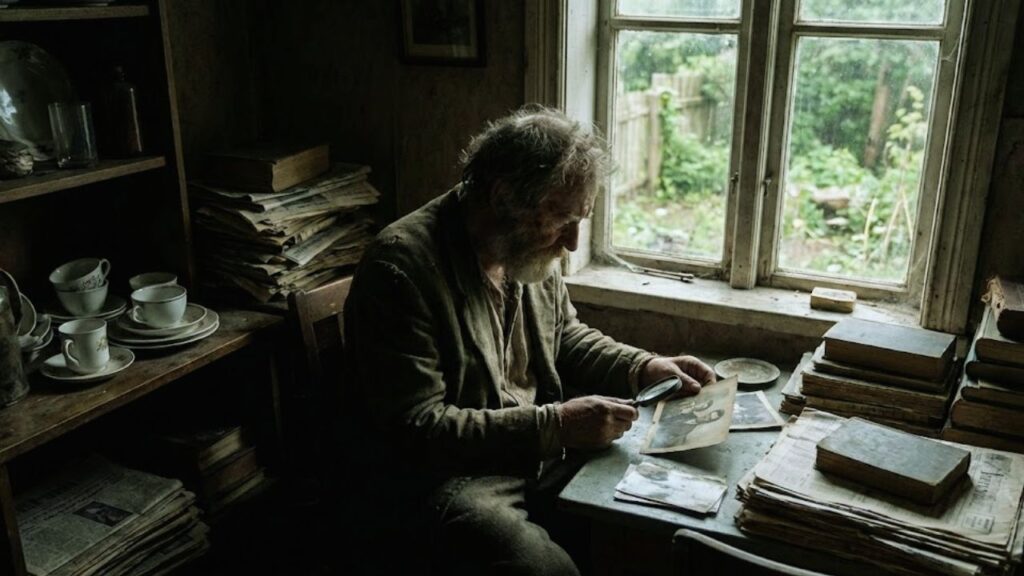
Early signs of social withdrawal in older adults
One of the first signs of social withdrawal is a clear change in how someone interacts each day. People might begin turning down invitations or keeping conversations short or choosing to stay home even when they have chances to go out. As time passes this can build routines that feel safe but also limiting. Many people start to prefer predictability instead of spontaneous plans and this cuts down their exposure to new things. There is often a fear of rejection involved where staying away from others seems easier than facing possible disappointment. Another frequent pattern is reduced emotional energy which makes conversations feel exhausting instead of fun. These behaviors do not always mean someone is unhappy but they usually show a gradual response to feeling worn out by social situations or dealing with emotional stress from the past.
Common behaviours that deepen isolation with age
As withdrawal continues behaviors become more fixed and difficult to change. Many people adopt minimal communication patterns and respond only briefly when absolutely required. There is often a growing preference for solitary activities that involve screens, including watching television for extended periods or using mobile devices while alone. Over time, what begins as reduced social contact develops into complete avoidance of other people, including close family members. Some individuals create a self-sufficient mindset where they convince themselves that they do not require help or companionship from anyone. These behavioral patterns may initially seem like positive choices that provide control and independence, but they gradually eliminate sources of emotional support. This isolation makes feelings of loneliness significantly stronger during difficult periods such as times of stress or physical illness.

Psychological reasons behind withdrawing from society
# Understanding Social Withdrawal in Older Adults Social withdrawal in older adults stems from reasons that are both complex & deeply personal. Many seniors struggle with feelings of disconnection as they sense a growing gap between themselves and younger generations. Earlier life experiences can trigger unresolved emotional wounds that emerge again during later years. Some individuals face significant challenges adjusting to major life changes such as retirement or the loss of loved ones or dealing with declining physical health. Also some people develop a strong preference for solitude because being alone feels safer and more controllable than engaging with others. These psychological elements work together to show that withdrawal typically functions as a way to cope with difficult circumstances rather than a deliberate choice to avoid human contact.
Summary or Analysis
# Understanding Social Withdrawal in Older Adults Social withdrawal in older people usually has little to do with not liking others. Instead it stems from trying to handle emotional stress and exhaustion. While spending time alone can bring comfort and calm, staying isolated for too long can harm mental strength and decrease happiness. When families notice patterns like habitual disengagement and emotional distancing in their older relatives, responding with understanding rather than criticism makes a real difference. Small steps toward reconnection work best. This includes light social contact, creating daily routines that have purpose, & having conversations that matter. These approaches slowly help rebuild confidence in relationships. Recognizing why these behaviors happen is essential. It marks the beginning of making sure that growing older does not lead to quietly disappearing into loneliness. With awareness and gentle support older adults can maintain connections that bring meaning and joy to their lives.
| Behaviour | Description | Potential Impact |
|---|---|---|
| Declining invitations | Frequently avoiding social events | Reduced friendships |
| Limited communication | Short or infrequent conversations | Emotional distance |
| Strong routines | Rigid daily habits | Lower adaptability |
| Preference for solitude | Choosing to be alone often | Increased loneliness |
| Avoiding new connections | Reluctance to meet people | Social stagnation |
Frequently Asked Questions (FAQs)
1. Is social withdrawal a normal part of ageing?
# Understanding Social Changes in Later Life Getting older naturally brings some changes to how much time people spend with others. It is completely normal for social activity to decrease somewhat as the years go by. However, this does not mean that severe loneliness or complete withdrawal from society has to happen. Many older adults maintain active social lives well into their later years. They continue to see friends and family regularly. They participate in community events and pursue hobbies that connect them with other people. The key difference is that these social interactions might look different from what they were in younger years. Physical limitations can make it harder to get out and about. Health issues might prevent someone from attending every gathering they once enjoyed. Energy levels often change with age. These factors can naturally lead to spending more time at home & less time in crowded social settings. But choosing to have a smaller social circle is very different from being completely cut off from others. Some older people prefer quality over quantity when it comes to friendships. They might see fewer people but maintain deeper connections with those they do see. This is a healthy adaptation rather than a problem. Extreme isolation happens when someone has almost no contact with other people for extended periods. This level of disconnection can harm both mental and physical health. Depression and anxiety often worsen without social interaction. Cognitive decline can accelerate when the brain lacks regular stimulation from conversations and shared activities. The good news is that this severe isolation can be prevented. Family members can make regular visits or phone calls. Community centers offer programs specifically designed for older adults. Technology provides new ways to stay connected even when mobility is limited. Video calls allow face-to-face conversations from the comfort of home. Transportation services help those who can no longer drive to reach social activities. Volunteer organizations bring companionship to people who live alone. Religious communities often have outreach programs for their older members. These resources exist to help maintain social connections. The important message is that while some reduction in social activity is a normal part of aging, nobody has to face complete isolation. With awareness and effort from both individuals and their communities older adults can continue to enjoy meaningful social connections throughout their lives.

2. Can withdrawn behaviour affect mental health?
Extended periods of isolation can raise the likelihood of developing anxiety and depression while also intensifying feelings of loneliness. When people spend too much time alone without meaningful social contact they often experience negative effects on their mental health. The human brain is wired for connection and regular interaction with others helps maintain emotional balance and psychological wellbeing. Research shows that individuals who remain isolated for long stretches may begin to notice changes in their mood and thought patterns. They might feel more worried about everyday situations or struggle with persistent sadness. The absence of social support systems makes it harder to cope with stress and can lead to a cycle where isolation feeds mental health challenges. Loneliness becomes particularly pronounced during extended isolation because humans naturally seek belonging & companionship. Without regular opportunities to share experiences or receive emotional validation from others, people may feel disconnected from the world around them. This sense of separation can affect self-esteem and overall life satisfaction. The risk increases when isolation is involuntary or when someone lacks alternative ways to maintain social bonds. However, the impact varies from person to person based on individual resilience existing support networks, & personal coping strategies. Some people handle solitude better than others, but most will eventually feel the strain of prolonged disconnection from social life.
3. Are these behaviours always intentional?
No, many people withdraw gradually without consciously deciding to do so.
4. Can social withdrawal be reversed?
Many people can rebuild their social connections by taking small steps and finding supportive environments.