In the United States texting has become more popular than calling for most people in their daily personal & work conversations. People use written messages for everything from brief updates to serious discussions because it gives them more control than phone calls do. This change goes beyond just convenience or new technology. It shows how personality differences affect the way people handle information and emotions and interact with others. Looking at why some people strongly prefer texting over calling helps explain modern communication patterns and how personality shapes the way relationships develop.
Why people who prefer texting over calling value control
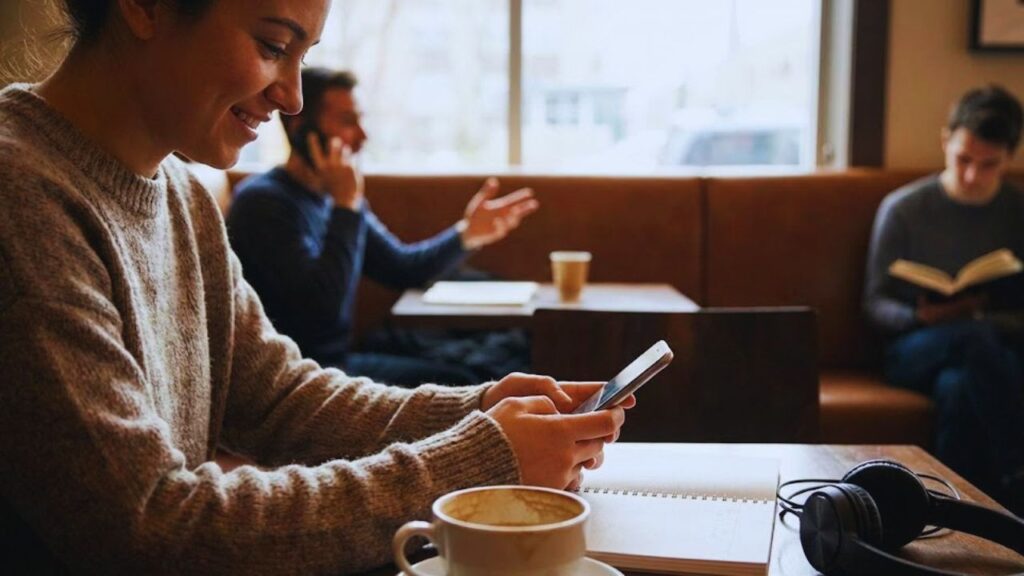
People who prefer texting over calling often want more control over their conversations. Texting gives them time to think before they reply so they don’t feel rushed to answer right away. Many people like handling their interactions when it suits them best because this helps them communicate more clearly and prevents confusion. This group usually doesn’t like being interrupted and prefers planned communication instead of unexpected phone calls. They also try to protect their personal energy by using texting as a tool to keep healthy boundaries while remaining in touch with others. For these individuals written messages seem more peaceful and more considerate and simpler to handle than talking in real time.
Personality traits linked to preferring texting instead of calling
People who prefer texting over phone calls often show signs of being thoughtful and self-aware. Most of them are naturally observant and like intentional word choice rather than making things up on the spot. This preference matches well with personalities that appreciate low-pressure interaction and meaningful conversations. They tend to be more aware of how things sound which makes texting attractive since it removes voice signals that might feel too intense. A clear preference for structured conversations is typical because messages can be read again & explained better. In general, texting works well for internal processing styles that focus on depth, accuracy, and feeling emotionally secure.
 Those Who Don’t Feel The Need To Dye Their Hair As They Age Often Share These 8 Remarkable Qualities
How texting preference shapes relationships and work
People who prefer texting over phone calls tend to handle their relationships and work communication differently. They usually do well with written teamwork and depend on documented conversations to keep things in order. They value asynchronous communication because it lets them handle multiple tasks while staying focused. When it comes to personal connections texting gives them a way to share their thoughts with measured emotional expression, particularly when discussing difficult topics. Still, they might need more time before feeling comfortable with voice calls and often prefer message-based connection to build trust first. When others understand and accept this approach, it can improve communication & lower stress levels.
Understanding the bigger picture behind texting preferences
Choosing to text instead of call does not mean someone is avoiding you or lacks interest. It simply shows how people today adjust to being connected all the time. People who prefer texting often value mental clarity habits and communication habits they can maintain over time. Texting allows for personal autonomy needs while still creating meaningful conversations when they feel ready. As our digital world changes this communication style is gaining acceptance among different age groups and in work environments. Understanding these preferences helps us develop stronger empathy & prevents misunderstandings. When we respect how others choose to communicate we build healthier interaction dynamics and create healthier relationships in our personal lives and at work.
| Trait | How It Shows | Communication Benefit |
|---|---|---|
| Reflective thinking | Careful message crafting | Clearer responses |
| Emotional awareness | Avoids reactive replies | Reduced conflict |
| Need for control | Chooses response timing | Lower stress |
| Introverted tendencies | Prefers written expression | Deeper conversations |
| Organization-focused | Saves message history | Better follow-ups |
Frequently Asked Questions (FAQs)
1. Is preferring texting over calling a personality trait?
# Understanding Personality Traits Through Behavior Yes, this type of behavior usually shows certain personality characteristics. These include the ability to think deeply about situations and understand your own emotions. It also demonstrates a desire to manage outcomes & maintain stability in your life. People who display these patterns tend to be more self-aware than others. They spend time considering their actions & how those actions affect the people around them. This thoughtfulness often leads to more deliberate decision-making processes. The need for control typically stems from wanting predictability and security. When someone seeks to manage their environment or circumstances they are often trying to reduce uncertainty. This can be a healthy coping mechanism when balanced properly with flexibility & acceptance of things beyond their influence. Emotional awareness plays a significant role in how people interact with the world. Those who recognize and understand their feelings can respond to challenges more effectively. They can identify what triggers certain reactions & work to address underlying concerns rather than just surface-level symptoms. Reflection allows individuals to learn from past experiences. By examining what worked well and what did not, they can adjust their approach to future situations. This continuous improvement mindset contributes to personal growth over time. These traits often work together to shape how someone navigates relationships and responsibilities. While each characteristic has value on its own, the combination creates a particular approach to life that emphasizes understanding and intentionality in daily interactions.

2. Do people who prefer texting dislike phone calls?
Not necessarily, but they may find calls more draining or intrusive.
3. Can texting preferences affect relationships?
Understanding and respecting this communication style helps build better connections and strengthens trust between people.
4. Is texting preference becoming more common?
Absolutely, especially in the United States where digital communication plays a major role in everyday life. The statement holds true particularly for Americans who rely heavily on digital tools for their daily interactions. Most people in the country use smartphones and computers to stay connected with others. They send messages through various apps and platforms throughout the day. This constant digital presence has become a standard part of modern American culture. Digital communication has replaced many traditional forms of interaction in the United States. People now prefer texting over phone calls in most situations. They use email for professional correspondence and social media for personal updates. Video calls have become common for both work meetings & family gatherings. This shift reflects how technology has integrated into every aspect of American life. The dominance of digital communication affects how Americans build & maintain relationships. Friends stay in touch through messaging apps rather than meeting in person. Families share photos and updates on social media platforms. Colleagues collaborate through digital workspaces and project management tools. Even casual acquaintances connect through various online networks. This digital transformation has changed expectations around communication speed and availability. People expect quick responses to their messages. They assume others will see notifications within minutes or hours. This creates a culture of constant connectivity where being unreachable seems unusual. Many Americans check their devices multiple times per hour to stay updated. The impact extends beyond personal relationships into professional environments. Businesses operate through digital channels for customer service and internal communication. Remote work has become more feasible because of reliable digital tools. Companies use various platforms to coordinate teams across different locations. This digital infrastructure supports the modern American economy. However this heavy reliance on digital communication also presents challenges. Some people feel overwhelmed by the constant stream of messages & notifications. Others worry about the quality of relationships maintained primarily through screens. Privacy concerns arise as more personal information gets shared digitally. Despite these issues, digital communication remains central to American daily life.