Eggs are among the most flexible and budget-friendly nutritious foods available, which is why countless Indian families rely on them regularly. They contain excellent protein beneficial fats, vitamins & minerals that help maintain strong muscles, support brain health & promote general wellbeing. But the cooking technique you choose makes a real difference in how much nutrition your body can actually use. Certain methods keep fragile nutrients intact while others might introduce extra fats or diminish the health advantages. Knowing the best way to prepare eggs ensures you extract the greatest nutritional value from each serving.
Healthiest way to cook eggs for maximum nutrition
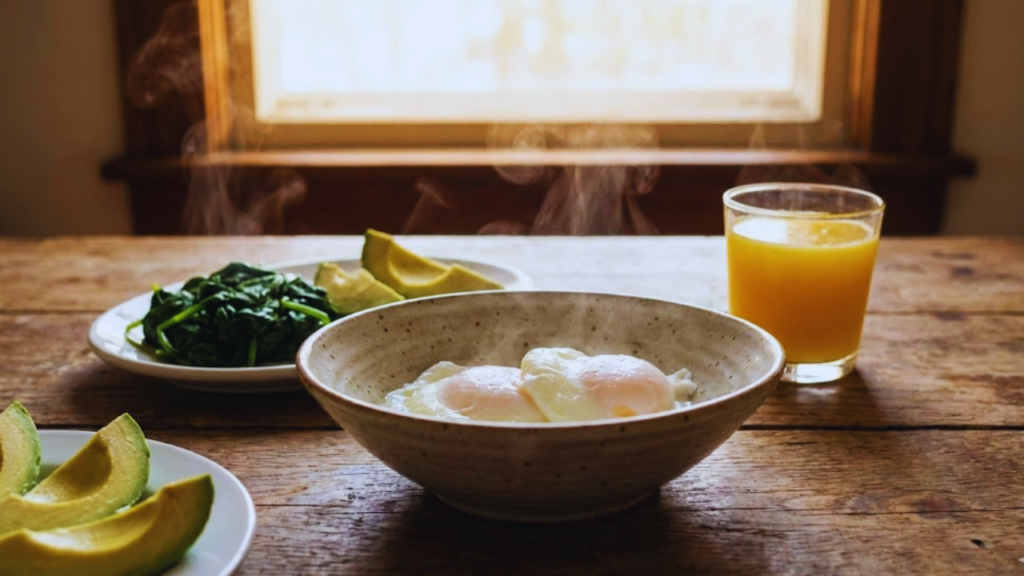
The best way to cook eggs for your health is to use methods that keep nutrients intact while avoiding extra fat. Boiling or poaching eggs works well because these techniques use mild heat without any oil. This helps preserve complete protein profile natural vitamin content, low calorie intake, and clean cooking method. These cooking methods allow the egg whites to cook completely while the yolks stay somewhat soft. This protects delicate nutrients such as vitamin D and certain antioxidants that can break down with high heat. Boiled eggs are particularly common in India because they are straightforward to prepare & cost-effective. They also fit easily into everyday meals. Eggs prepared this way stay satisfying & nutritious while working well for most eating plans.
How cooking style affects egg health benefits
The way you cook eggs affects their health benefits. Using very high heat or cooking them too long can harm the fats inside & make nutrients harder for your body to use. Cooking eggs gently helps maintain better nutrient absorption stable healthy fats, reduced oxidation risk, and digestive comfort. Scrambling eggs over low heat with a small amount of oil is much better for you than deep-frying them. When you overcook the yolks you might lose helpful substances like lutein & zeaxanthin that are good for your eyes. Using moderate heat keeps eggs nutritious while making them taste good and feel filling.

Best egg cooking methods for daily Indian diets
For everyday meals simple egg preparations work well with Indian eating patterns. Boiled poached or lightly scrambled eggs provide benefits for heart friendly choice balanced morning meal steady energy release and muscle repair support. Adding a little ghee or cold-pressed oil while cooking on low heat brings flavor without reducing nutritional value. Combining eggs with vegetables or whole grains makes the meal better. The aim is to maintain regular consumption so eggs become a dependable and nutritious part of daily eating.
Summary and practical health takeaway
Eggs become a valuable health food when you cook them properly. Using gentle cooking methods preserves long lasting fullness essential micronutrient retention, smart fat management and overall dietary balance. In India breakfast habits differ from region to region but eggs provide flexible nutrition for people of all ages. Simple cooking techniques work better than complicated recipes when you want maximum health benefits. Properly prepared eggs boost your strength and energy levels while supporting your overall health without adding complexity to your daily meals.
| Cooking Method | Oil Used | Nutrient Retention | Health Impact |
|---|---|---|---|
| Boiled | None | Very High | Best overall option |
| Poached | None | Very High | Light and digestible |
| Low-heat scrambled | Minimal | High | Good daily choice |
| Fried | Moderate to High | Medium | Less healthy |
| Deep-fried | High | Low | Least healthy |
Frequently Asked Questions (FAQs)
1. Are boiled eggs healthier than fried eggs?
Yes, boiled eggs retain more nutrients and contain no added fats.

2. Is it safe to eat eggs with a soft yolk?
For most people, soft yolks are safe if eggs are fresh and properly handled.
3. How many eggs can I eat daily?
Most healthy adults can eat one to two eggs per day as part of a balanced diet.
4. Which oil is best for cooking eggs?
You can make healthier cooking choices by using small quantities of ghee or cold-pressed oils when you cook on low heat. This approach works better than using large amounts of oil or cooking at high temperatures. When you keep the heat low and use just a little bit of these healthier fats, you preserve more of their beneficial properties. The oils don’t break down as quickly & you avoid creating harmful compounds that can form when fats get too hot. Ghee has been used in traditional cooking for centuries & contains fat-soluble vitamins. Cold-pressed oils retain more of their natural nutrients because they haven’t been processed with high heat during production. Both options give you the fats your body needs without the downsides of heavily processed cooking oils. The key is moderation and temperature control. You don’t need to drench your food in oil to make it taste good. A small amount goes a long way when you’re cooking vegetables eggs, or other foods. Keeping your burner on a lower setting also helps you cook more gently, which can make your food more digestible and preserve more vitamins in your ingredients. This cooking method takes a bit more time than high-heat cooking, but the health benefits make it worthwhile. Your food will still taste delicious, and you’ll feel better knowing you’re taking care of your body with every meal you prepare.