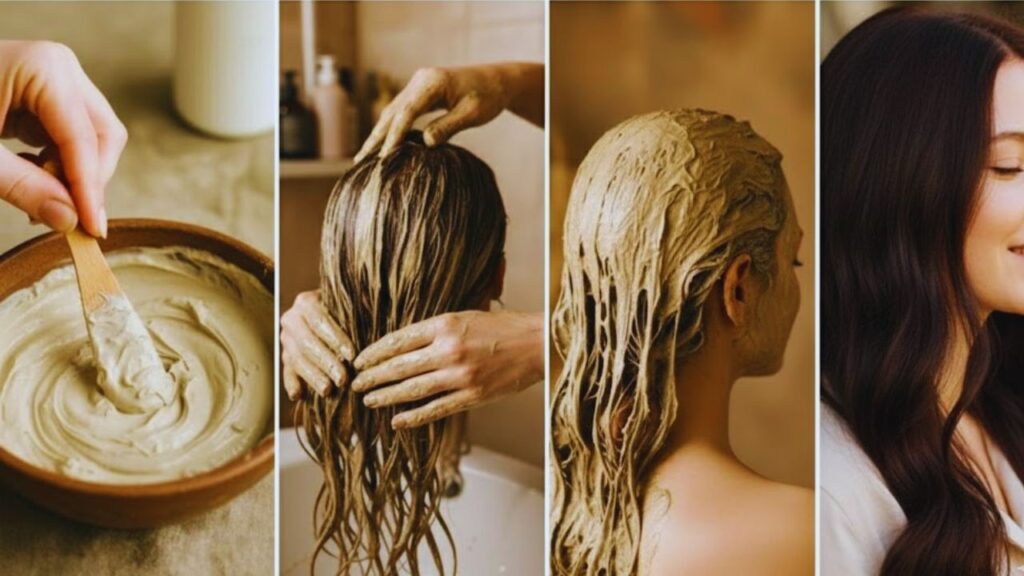
The first time I used henna to dye my hair the kitchen smelled like an old pharmacy. The air carried scents of wet dirt & dried leaves that felt warm and strangely pleasant. A ceramic bowl sat on the counter filled with deep green paste that looked thick and shiny. I paused for a moment with the spoon hanging over the bowl and wondered if this muddy mixture could really work as well as the shiny boxes of hair dye at the drugstore. Then I dipped the brush in the paste & sectioned my hair and spread it through my strands. The henna felt cool & thick like a face mask on my scalp and this natural hair color started to stain my hands & my hair and later changed how I thought about beauty.
Why Henna Remains a Natural Favourite in a Chemical-Heavy Beauty World
Walking down a modern hair dye aisle can feel overwhelming with strong chemical smells and warning labels on every box. Most people accept that ammonia and peroxide are necessary to get the color they want. Henna provides a completely different approach. This natural dye comes from the Lawsonia inermis plant and has been used for thousands of years to color hair & skin. When you mix henna powder with warm water the lawsone pigment is released and bonds gently with the keratin in your hair. Rather than stripping your hair of its natural properties henna coats each strand with a protective layer that makes hair stronger and shinier. The earthy smell of henna resembles dried leaves and tea instead of harsh chemicals. This transforms the coloring process into a relaxing ritual instead of a quick cosmetic procedure.
How to Select Pure, Clearly Labeled Henna Powders
The quality of henna makes all the difference. Real henna should be 100% pure body-art-quality powder without metallic salts or synthetic dyes. Many disappointing results happen because of compound hennas that contain hidden chemical additives. Good quality henna has a soft and finely sifted texture with a grassy fresh smell and never sparkles or has an artificial scent. Freshness matters because henna loses its staining power as it ages. Reading labels carefully and buying from trustworthy sources is important. You are not simply buying color but choosing a plant that has been grown and harvested and ground with attention. When henna is treated as a living material the results for hair become richer and more reliable.
Setting Up a Simple Yet Effective Henna Application Process
Henna does not need any special equipment. You only need a glass bowl or ceramic bowl or stainless steel bowl along with a spoon and some gloves. An applicator brush and plastic wrap are also useful. Keep an old towel nearby as well. Do not use bowls made from reactive metals. Always protect your hands & clothes during the process. The tools matter less than having patience. Henna releases its color very slowly over several hours instead of just a few minutes. Using henna is different from using fast chemical dyes. It feels more like cooking a meal that takes a long time. The process is deliberate and calm and the results are rewarding.
| Ingredient | Main Advantage | Best Suited For |
|---|---|---|
| Amla Powder | Balances bright red tones into cooler auburn shades while adding volume | People wanting to tone down orange hues and achieve a natural brown-red look |
| Indigo Powder | Deepens henna results into dark brown or almost black shades | Those seeking strong grey coverage or rich brunette hair color |
| Cassia (Neutral Henna) | Adds shine and mild golden warmth without strong color change | Light or blonde hair types looking for gloss and softness |
| Black Tea / Coffee | Enhances depth and richness of the overall hair tone | Medium to dark hair needing a deeper and more intense finish |
| Chamomile Tea | Gently brightens hair with natural golden highlights | Lighter hair shades wanting a soft sun-kissed effect |
| Aloe Vera Gel | Boosts moisture, smoothness, and paste consistency | Dry, curly, or damaged hair requiring extra hydration |
| Essential Oils (Lavender, Rosemary) | Improves aroma and supports scalp relaxation or stimulation | Users sensitive to henna smell or focused on scalp health |
A Traditional Henna Blend for Warm, Coppery Results
The simplest recipe creates warm copper shades. Combine pure henna powder with hot tea until the mixture looks like yogurt. You can add lemon juice or apple cider vinegar to help release the dye if your scalp can handle slight acidity. Let the mixture sit for 4 to 8 hours until the color gets darker. Spread it evenly through clean hair and wrap it up securely. Leave it on for 2 to 4 hours. After you rinse it out the color might look bright orange initially but it will change over a few days into a more natural copper or auburn tone based on your original hair color.

Creating Auburn and Brown Shades Using Botanical Mixes
Henna colors can be made lighter or darker by mixing them with other natural powders. When you combine henna with amla powder it reduces the brightness & creates cooler reddish-brown tones while also improving hair texture. If you want brown or chocolate colors the best approach is to use two separate steps. First you apply henna to create a red foundation & then you apply indigo powder to make the color darker. This method gives you more control and more predictable outcomes particularly if you have light to medium colored hair. The final results can range from chestnut brown to almost black depending on how you adjust the process.
Using a Henna Gloss for Subtle Colour and Added Shine
A henna gloss works well if you want a lighter result. Mix a small amount of henna paste with a conditioner that contains no silicone and use it like a regular hair mask. Let it sit on your hair for 45 to 90 minutes & then rinse it out. This approach gives you a soft warm tone with gentle highlights & extra shine but without a major color shift. It serves as a good way to try henna before you decide to do a complete treatment.
Perfecting Your Shade by Layering Henna Over Time
Henna builds color gradually with each application adding more depth and richness. Light hair turns golden-copper while medium hair moves toward chestnut or auburn shades. Dark hair shows red tones when sunlight hits it. Gray strands become warm highlights instead of being covered completely. The color fades slowly so it makes sense to start with a gentle application. You can always make the shade deeper with more layers later while keeping your hair healthy.