The mat feels cool beneath your forearms as your toes dig in and your legs strain quietly. Your breathing evens out and becomes steady and controlled. Somewhere between the tightness in your abdomen and the focus in your mind a familiar question surfaces: how long should this be held? Ten seconds? Thirty? A full two minutes that stretches endlessly? Planks are often treated as a simple exercise with a universal answer but in reality they are a living conversation between your body and gravity that changes with time. What feels effortless at 18 becomes demanding at 48 and at 68 requires thoughtful care. At every stage of life your core foundation supports the spine & protects the back and allows smooth confident movement. Finding the right hold time means understanding your body exactly as it is today.
The Hidden Power of Your Core
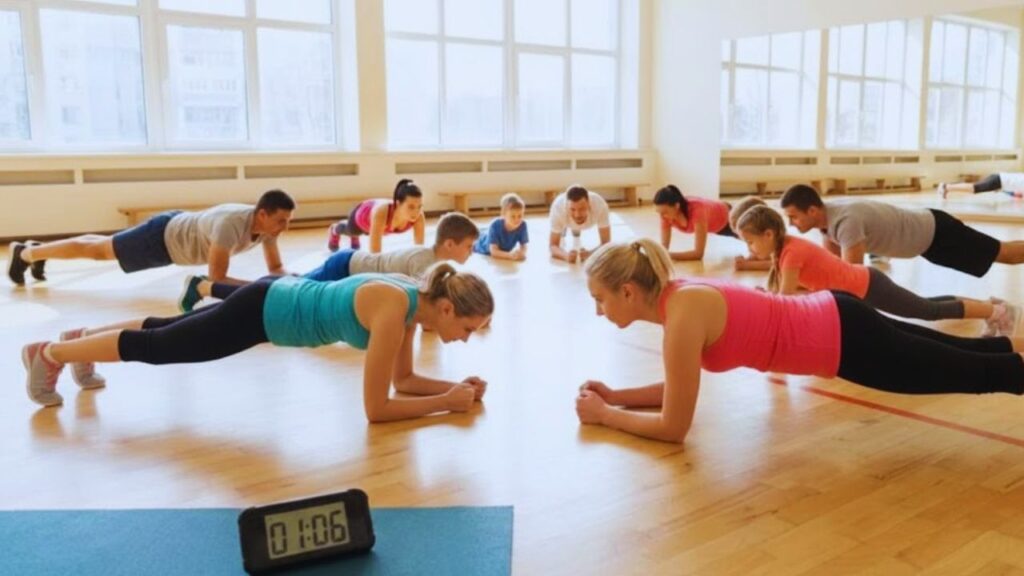
Most workouts make plenty of noise with pounding footsteps and clanging weights and heavy breathing filling the gym. Planks are different because they happen in silence. You position your body in a straight line with shoulders over elbows or wrists and heels pushed back and neck loose. Nothing seems to happen when someone watches you.
But inside your body a lot is going on. The transverse abdominis pulls tight like a belt around your middle and the multifidus muscles support your spine & your diaphragm matches your breathing to the work and your pelvic floor holds everything steady underneath. These deep muscles work best when you stay calm & focus on doing the exercise right every single time. This explains why doing it well beats doing it long. A solid twenty-second plank with good form usually helps you more than a wobbly minute where you just try to prove something.
 Daily Collagen Broth Rituals That Gradually Improve Skin Hydration Firmness and Elasticity Naturally
Debunking the Two-Minute Plank Myth
Modern fitness trends often focus on pushing limits. People celebrate two-minute holds & five-minute challenges. Social media shows videos of shaking bodies under extreme pressure. At some point longer durations started to mean better results.
The truth is less exciting. Beyond a certain duration a plank mostly teaches your body to handle discomfort instead of building real strength. Coaches and studies both indicate that shorter controlled holds done consistently work better for core strength and spine health than occasional endurance challenges. Extended planks are not necessarily bad but they become less effective as you get tired and your form starts to break down. Over time the focus should change from just lasting longer to maintaining proper support.
How Age and Gravity Affect Your Plank
As you get older your body changes. Recovery takes longer & your tissues lose some flexibility while balance needs more focus. A plank that used to feel easy now requires real effort. This is just how biology works & not a sign of failure.
Instead of following one strict rule it makes more sense to work within flexible ranges. The best time to stop a plank is right before your form starts to break down. Here are some practical guidelines for healthy adults without serious injuries. Think of these as helpful reference points rather than strict rules you must follow.
| Age Group | Hold Duration per Set | Recommended Sets | Weekly Practice Frequency |
|---|---|---|---|
| Teens (13–19 years) | 20–40 seconds | 2–4 | 2–4 days/week |
| Adults (20s–30s) | 30–60 seconds | 2–4 | 3–5 days/week |
| Midlife (40s) | 20–45 seconds | 2–4 | 3–4 days/week |
| Older Adults (50s) | 15–40 seconds | 2–3 | 2–4 days/week |
| Seniors (60s–70s+) | 10–30 seconds | 2–3 | 2–4 days/week |
Planking in Your 20s and 30s: Push Without Limits
In early adulthood the body tends to be forgiving. Recovery happens quickly and tissues bounce back easily while strength builds without much trouble. Holding a plank for thirty to sixty seconds with proper form can be effective.
 Safe Henna Hair Dye Blends That Deliver Rich Colour and Long-Lasting Results Without Damage
The real risk at this age is not being weak but missing the small signs that form is breaking down. Hips start to sag & shoulders begin to rise while the lower back silently struggles. Breaking the exercise into several shorter holds usually works better than pushing through one long difficult attempt.
Planking in Your 40s: Smart Strength Building
By the time you reach your 40s your body gives you more direct signals. Previous injuries make themselves known and you feel stiff more quickly than before. You still have strength but you need to treat your body with more care. Most people find that holding a position for twenty to forty-five seconds works best. On some days you can push for longer durations while other days require you to hold back.
The priority becomes building strength that lasts over time rather than chasing short-term gains. This means focusing on better posture and keeping your spine healthy so you can move well in everyday life for years to come.
Planking in Your 50s, 60s, and Beyond: Resilient Core, Safe Approach
Later decades bring changes to physical strength. Muscle mass tends to decrease over time and the body needs more time to recover after exercise. However the ability to adapt and improve never disappears completely. Planks remain a valuable exercise even when you need to adjust them.
Holding a plank for ten to thirty seconds with proper form delivers excellent results. Using your knees for support or placing your hands on an elevated surface are not signs of weakness. These are intelligent modifications that reduce stress on your joints while still working your core muscles effectively.